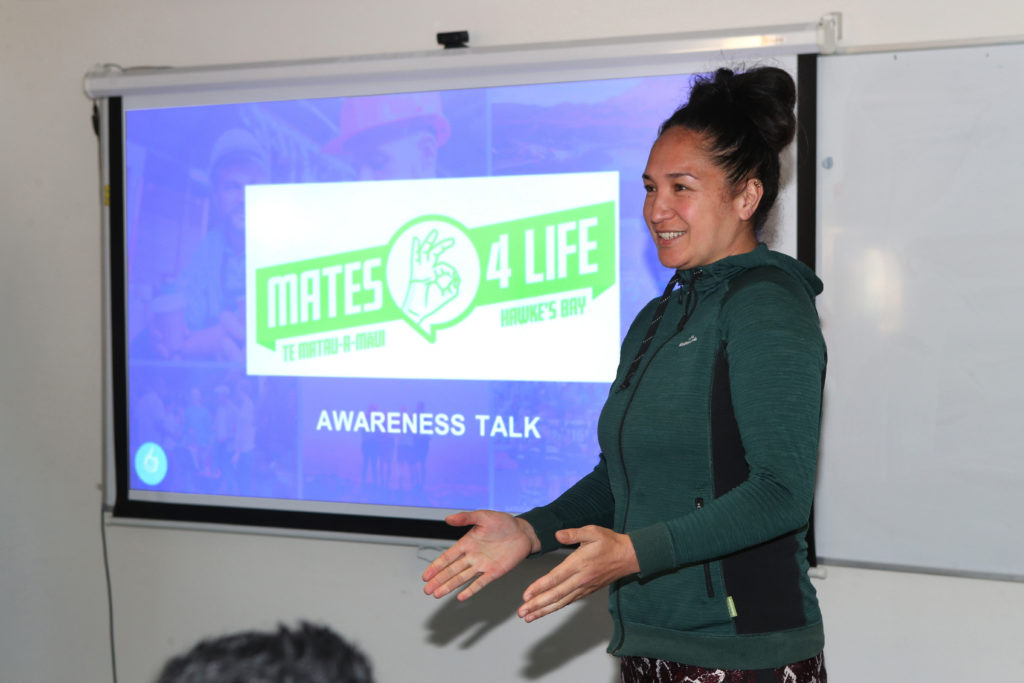
One theme came through strongly in our recent Workplace Supervision pilot: people are under a lot of pressure right now. Workplaces are busy, teams are stretched, and there’s a constant sense of needing to do more with less.
We’re seeing the same thing across the businesses we talk to in Hawke’s Bay. Pressure at work is matched by pressure at home, with rising unemployment, rising costs and growing uncertainty. Work and life don’t sit in separate boxes. Business owners are balancing the pressure of keeping things going, leaders are supporting their teams through uncertainty, and employees are juggling work alongside family, finances and everything else life throws at them.
None of this will come as a surprise. The last few years have been tough, COVID, Cyclone Gabrielle, rising costs and ongoing economic uncertainty have left many people feeling like they’re working harder than ever with less to show for it.
There isn’t a simple solution to any of this. Yet we can build habits that help us cope better when life feels overwhelming.
1. Take a break, even when you feel too busy
It can feel counterproductive to stop when your to do list is overflowing, but our brains aren’t designed to work at full capacity for hours on end.
Research consistently shows that taking short breaks throughout the day can improve focus, decision making and productivity. Even a ten-minute walk, grabbing a coffee away from your desk, or simply stepping outside for some fresh air can help reset your thinking.
Sometimes the fastest way to get more done is to stop for a few minutes.
2. Get everything out of your head
When everything feels urgent, it’s easy to feel overwhelmed.
Try writing down everything that’s currently on your mind. Once it’s on paper, sort each task into one of four categories:
- Urgent and important.
- Important, but not urgent.
- Urgent, but could someone else help?
- Neither urgent nor important.
Often the simple act of seeing everything in one place makes it feel more manageable. It helps you decide what really needs your attention first, and what can wait.
3. Don’t carry it on your own
One of the strongest messages from our pilot was the value of having someone independent to talk things through with.That might be a counsellor, a business mentor, a trusted colleague, a friend or whānau member. Talking doesn’t always solve the problem, but it often changes how we respond to it.
If you’re finding that stress is becoming overwhelming or affecting your mental wellbeing, don’t wait until you’re at breaking point. Reach out to your GP, call or text 1737, or talk to another trusted professional. We’ve combined a list of support organisations here: Find Help – Mates4Life
4. Check in with yourself
At Mates4Life we use Te Whare Tapa Whā in our programme as an effective way to reflect on wellbeing.
Think about each of the four walls of your whare:
- Taha tinana (physical wellbeing)
- Taha hinengaro (mental and emotional wellbeing)
- Taha whānau (family and social wellbeing)
- Taha wairua (purpose, values and spiritual wellbeing)
Is there one area that’s feeling a little neglected?
Choose one small thing you could do this week to strengthen it. Go for a walk. Call a friend. Get an early night. Spend time doing something that gives you energy. Small, achievable actions often help us regain a sense of control when life feels busy.
You’re not alone
If you’re feeling under pressure right now, you’re certainly not the only one. Many of the people who took part in our pilot spoke about the same challenges.
While we can’t remove the pressures of modern life, we can get better at supporting ourselves and each other through them.
If your organisation is going through a busy or challenging period, or your team are feeling the pressure right now, Mates4Life’s SCOPETalk could help. SCOPETalk offers practical, evidence based strategies to help people better understand and look after their own mental wellbeing. Sometimes a small investment in your people can make a big difference to how they navigate the pressures they’re facing.
Want to learn more?
This article is part of a series sharing insights from Mates4Life’s Workplace Supervision Pilot, delivered in partnership with Hastings District Council.
If you’d like to learn more about workplace supervision, or explore whether it could benefit your workplace, you can contact either of the counsellors involved in our pilot:
Andrew McGarrol
Nautical Counselling
www.nauticalcounselling.co.nz
Stacia Jensen
Jensen Counselling
www.jensencounselling.com